Mardi Gras Jester Hat Embroidery Design
First Impression: Festive, Bold, and Instantly Recognizable
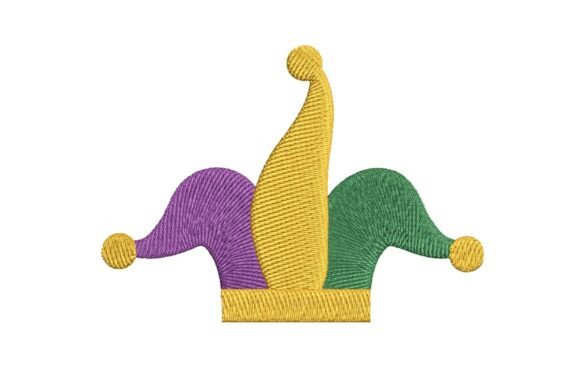
As an embroidery designer who’s prepped over 200 craft fair booths—and watched which designs stop foot traffic—I’ll say it plainly: the Mardi Gras Jester Hat Embroidery Design lands with energy. It’s not subtle farmhouse charm or minimalist elegance. It’s festive. It’s bold. It’s playful without being childish, traditional without feeling dated. That three-pointed cap—stitched in the official colors of Mardi Gras—is a visual shorthand for celebration, mischief, and circus flair. On a white background (as described), it pops like confetti against snow. For buyers browsing handmade markets, that instant recognition is gold.
Where This Design Shines on Craft Fair Products
This isn’t a design that fades into the background—it commands attention. Here’s how it performs across your most common handmade product categories:
- Tote bag design: Perfect as a centered chest emblem or bold side panel. At 4–5 inches wide, it reads clearly from 6 feet away—ideal for booth visibility.
- Apron embroidery: Works beautifully above the pocket or across the bib. The jester hat’s symmetry balances well on apron fabric, and its festive tone aligns with kitchen-party, baking, and cocktail-themed small shop products.
- Tea towel embroidery: Excellent as a corner accent or mid-panel focal point. Just be mindful: on textured or looped cotton towels, stitch density matters—more on that below.
- Embroidered patch: A natural fit. The clean lines and defined points translate well to sew-on or iron-on patches, making it ideal for Etsy sellers offering customizable accessories or festival gear.
- Caps and fabric pouches: The shape adapts well to gentle curves—especially on structured baseball caps or drawstring pouches. But avoid placing it too close to seams or deep gussets where distortion can blur detail.
- Pillow covers and market bags: Scales elegantly up to 6–7 inches without losing integrity. As a large focal design, it adds handmade quality and personality—no generic floral here.
What Makes It Sell at the Booth—and Online
The Mardi Gras Jester Hat Embroidery Design works because it tells a story before anyone reads your price tag. At a craft fair, customers glance, pause, smile—and reach out. That micro-moment of emotional connection is what turns browsers into buyers. It also photographs exceptionally well for Etsy listings and printable mockups: high contrast, strong silhouette, and clear color blocking mean less editing and faster upload-ready shots.
For digital embroidery file sellers, this design has repeatable appeal. It fits naturally into themed bundles—Mardi Gras collections, circus embroidery packs, or “festive occasion” sets. And because it’s rooted in tradition but feels fresh, it avoids seasonal expiration. You’ll sell it in February, yes—but also year-round to circus-themed boutiques, theater groups, and novelty gift shops.
Careful-Use Notes Every Embroiderer Should Know
Don’t skip this step—even experienced hands get tripped up by optical illusions in thread. The Mardi Gras Jester Hat Embroidery Design likely includes dense fill areas (especially in the pointed tips and central motif) and fine color transitions between official Mardi Gras hues. That means:
- Avoid stitching it smaller than 3 inches on textured fabrics—tiny details vanish on terry cloth or heavy linen.
- On dark fabric, confirm thread contrast. Gold or purple thread may recede on black or navy unless you add underlay or switch to metallic or high-sheen rayon.
- Curved surfaces (like caps or pouches) require precise hooping and stabilizer selection—cutaway + tear-away combo often wins here.
- No lettering is mentioned in the description, so no concerns about tiny fonts—but always verify the actual embroidery file for hidden text elements before batch production.
How It Elevates Your Handmade Product & Booth Presence
This isn’t just decoration—it’s value engineering. A tote bag with the Mardi Gras Jester Hat Embroidery Design feels more intentional, more collectible, more *designed* than one with a generic monogram. Customers perceive higher handmade quality, especially when stitch density is balanced and thread colors are rich and true. In your booth display, place one embroidered cap beside a matching tea towel and a patch sampler—suddenly you’ve built a cohesive, thematic mini-collection that encourages multiple-item purchases.
For Etsy sellers and small shop owners, consistency matters. Use this design across your social media banners, packaging tags, and even email headers—and you reinforce brand personality: joyful, skilled, and unapologetically festive.
Practical Embroidery Designer Notes Before You Stitch
Before cutting fabric or loading your machine embroidery design:
- Test the Mardi Gras Jester Hat Embroidery Design on scrap fabric that matches your final product’s weight and texture.
- Check thread contrast—especially if using budget-friendly poly—against your base fabric. Official Mardi Gras colors (purple, green, gold) need luminosity, not dullness.
- Review spacing between points and fill areas. Tight angles can cause puckering if stitch density is too high.
- Confirm hoop size compatibility—some versions of jester hat designs exceed standard 4x4 hoops; don’t assume.
- Inspect stitch density visually—not just in software. Dense fills heat up needles and shift fabric if stabilizer is undersized.
- Use the right stabilizer: medium-weight cutaway for stretchy knits, tear-away + topping for terrycloth towels.
- Create at least one real mockup—not just a digital preview. Lighting, drape, and hand-feel change everything.
- Compare fabric colors in natural light. That “white background” in the description refers to the design file—not your product. A cream linen will mute gold threads; bright white cotton will make them sing.
- Confirm commercial licensing before selling finished products. If you’re an Etsy seller or boutique maker, you need rights to embroider and resell—not just personal use.
Final Thought: A Strong, Scalable, Story-Driven Asset
The Mardi Gras Jester Hat Embroidery Design isn’t just another circus embroidery file—it’s a conversation starter, a mood setter, and a versatile craft fair product anchor. It bridges nostalgia and novelty, handmade authenticity and commercial appeal. Whether you’re stitching it on aprons for a New Orleans food truck pop-up or turning it into embroidered patches for a children’s theater camp, it delivers clarity, charm, and confidence. Just remember: great embroidery begins with respect for the fabric, the thread, and the buyer’s first impression. Test it. Touch it. Show it proudly. Then watch it sell.