Moon Desert Landscape Embroidery Art
First Impressions: A Quiet, Modern Boho Moment
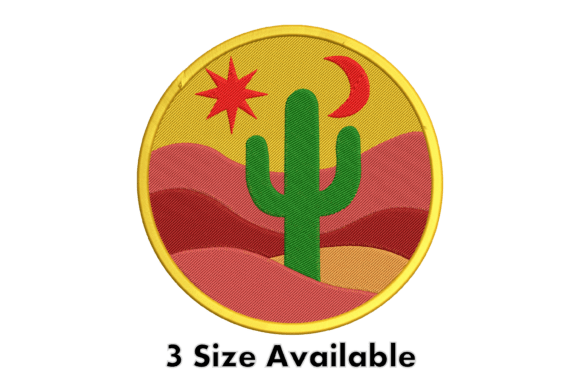
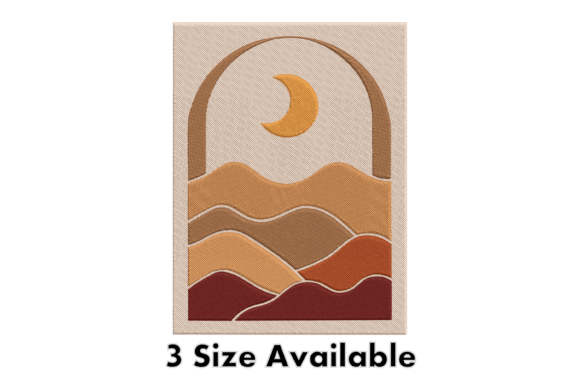
When I opened the Moon Desert Landscape Embroidery Art file for the first time, I felt that familiar spark—the kind that tells you a design has real gift potential. It’s not loud or busy, but deeply intentional: a crescent moon hovering over soft dunes, subtle horizon lines, and gentle negative space that breathes. This isn’t just another boho motif—it carries stillness, wonder, and quiet confidence. It reads as modern (clean lines, balanced composition), handmade (organic stitch flow, implied texture), and emotionally resonant—like a whispered memory of stargazing in the desert at dusk. It’s neither overly sweet nor starkly minimalist; it lands perfectly in that thoughtful middle ground where customers pause, smile, and say, “Yes—that’s *exactly* the feeling I want to give.”
Where This Design Truly Shines: Real Gift Applications
I tested Moon Desert Landscape Embroidery Art across seven common personalized gift categories—and each time, it elevated the item’s perceived value. On a lightweight cotton baby blanket? Soft, serene, and deeply soothing—ideal for nursery decor or a meaningful birth announcement gift. Stitched onto a linen kitchen towel? Instant heirloom energy—elegant enough for a wedding gift yet warm enough for daily use. As a pillow cover for a boho-chic living room? The design’s scale and rhythm anchor the piece without overwhelming.
It also works beautifully on items where emotional connection matters most: a custom tote for a new mom (subtle, not baby-themed), a framed embroidery hoop as a wedding keepsake (paired with names/dates in a clean sans-serif thread), or an apron for a small-batch baker who values artisanal aesthetics. For Etsy sellers and craft fair vendors, this design photographs exceptionally well—its contrast and clarity translate powerfully in natural light, helping your handmade product stand out in crowded feeds. And because it avoids literal imagery (no cacti, no camels), it appeals across ages and genders—making it versatile for men’s jackets, kids’ backpacks, and gender-neutral baby embroidery alike.
Smart Placement & When to Proceed With Care
Like any strong machine embroidery design, Moon Desert Landscape Embroidery Art rewards thoughtful execution—not just enthusiasm. Its charm lies in subtlety, so avoid cramming it onto surfaces where detail gets lost. Steer clear of stretchy baby onesies unless you’re using high-quality cutaway stabilizer and reducing stitch density manually—those delicate dune contours can distort. Thick terry cloth towels? Possible—but only with heavy-duty tear-away stabilizer and a test run. Curved surfaces (like mugs with fabric sleeves) or textured fabrics (burlap, heavy knits) require careful hooping and possibly simplified digitizing adjustments.
Also: don’t assume it’s dark-fabric ready. That crescent moon relies on contrast—if stitching on charcoal or navy, verify thread colors hold up (a soft silver or ivory may vanish). And while the design avoids tiny lettering, always check small details post-stitch: the moon’s curve and horizon line should read cleanly, not fuzzy or broken. If your final product is meant for frequent washing (think embroidered towels or baby blankets), confirm the embroidery file uses secure underlay and satin edges—not just fill stitches—to prevent fraying over time.
Why Customers Trust What They Can’t Touch
In my experience, buyers don’t just buy a personalized gift—they buy intention, care, and resonance. Moon Desert Landscape Embroidery Art supports that trust effortlessly. Its cohesive mood signals craftsmanship, not mass production. When stitched cleanly on a linen pillow cover or organic cotton tote, it feels like something chosen—not slapped on. That perception directly lifts price tolerance and repeat orders. For small shop owners and digital product sellers, it also strengthens brand voice: consistent use across baby embroidery, wedding gifts, and home goods creates a recognizable aesthetic—one that says “thoughtful, grounded, quietly beautiful.”
And because it’s inherently calming, it performs well in product photography and social media previews. No need for heavy filters or staging—you get authentic warmth straight from the hoop. That authenticity translates to higher engagement, especially among mindful shoppers seeking slow-made, meaningful items over trend-driven clutter.
Practical Notes Every Embroiderer Should Run Before First Stitch
- Always test on scrap fabric—especially if pairing with new stabilizer types or unusual textiles.
- Compare thread color contrast on both light and dark fabric mockups before finalizing your palette.
- Confirm hoop size compatibility—this design likely fits standard 4x4 or 5x7 hoops, but double-check before digitizing adjustments.
- Review stitch density: too dense = stiff fabric; too sparse = weak definition. Look for balanced fill and smooth satin edges.
- Use appropriate stabilizer: medium-weight cutaway for knits, tear-away for stable wovens, and heavy-duty for towels or bags.
- Check licensing: if selling finished products, ensure your purchase includes commercial embroidery rights—don’t assume.
- Validate small details post-stitch: inspect the moon’s curve and horizon line under natural light before packaging.
A Design That Grows With Your Business
Moon Desert Landscape Embroidery Art isn’t just another digital embroidery file. It’s a quiet workhorse—adaptable across baby embroidery, wedding gifts, custom totes, and boutique home goods. It invites storytelling without demanding it, adds handmade quality without shouting, and delivers emotional resonance in every stitch. Whether you’re an Etsy seller launching your first collection, a gift shop owner curating seasonal offerings, or a wedding designer building a signature style—this design earns its place in your library. Just remember: respect its subtlety, test with care, and let its calm confidence speak for itself. That’s how great custom embroidery becomes unforgettable personalized gift magic.