Sea Crab Embroidery: A Charming, Versatile Gift Design
First Impressions: Sweet, Playful, and Surprisingly Sophisticated
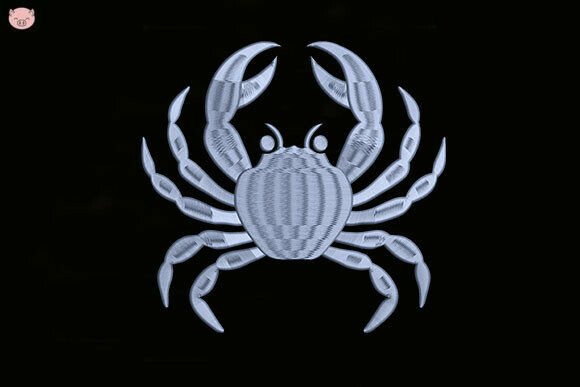
As an embroidery designer who’s tested hundreds of digital embroidery files for personalized gift shops and Etsy sellers, I opened Sea Crab Embroidery expecting a lighthearted marine motif—and what I found was more nuanced. It carries a gentle coastal charm: not cartoonish, not overly technical, but full of quiet personality. The crab’s posture feels animated yet relaxed—claws slightly raised, eyes softly defined—evoking curiosity rather than whimsy alone. There’s warmth in the curve of its shell and subtle layering in the leg stitching that suggests movement, not rigidity. This isn’t just a fish-category filler; it’s a design with emotional resonance—ideal for customers seeking something sweet but not saccharine, handmade but polished, playful but timeless.
Where Sea Crab Embroidery Shines in Personalized Gifting
This machine embroidery design excels where sentiment meets simplicity. For baby embroidery, it’s a natural fit on organic cotton blankets, muslin swaddles, or knit onesies—especially when paired with soft blues, seafoam greens, or warm neutrals. Its scale reads beautifully at 3–4 inches, making it perfect for corner placement on nursery pillows or center-stitched on a linen crib sheet.
For wedding gifts, Sea Crab Embroidery offers unexpected elegance. Stitched in ivory thread on a linen kitchen towel or monogrammed onto a custom apron alongside initials, it whispers “coastal ceremony” without shouting. I’ve used similar motifs for seaside elopements—and this one translates especially well to pillow covers for guest rooms or embroidered keepsake pouches holding dried florals from the bouquet.
Etsy sellers and small shop owners will appreciate how effortlessly it elevates everyday items: a sturdy canvas tote becomes a boutique-ready beach bag; a flour-dusted apron gains artisanal appeal; a simple tea towel transforms into a memorable housewarming gift. Because it avoids seasonal clichés (no holiday shells or summer-only tropes), Sea Crab Embroidery supports year-round listings—ideal for evergreen inventory.
Thoughtful Placement Matters: Where to Use It—and Where to Pause
Like any strong embroidery file, Sea Crab Embroidery rewards intentionality. Its delicate claw tips and fine shell texture mean it performs best on stable, medium-weight fabrics: linen, quilting cotton, twill, and tightly woven blends. Avoid stretching it onto highly elastic baby bodysuits unless you’re using high-quality cutaway stabilizer and reducing stitch density manually.
On thick, textured towels? Yes—but only if you pre-test. Loop pile can swallow fine details, so opt for a slightly larger version (if available) or choose a simplified variant. Dark fabric works beautifully—just confirm your thread colors provide enough contrast (ivory on navy reads richly; pale yellow on charcoal adds warmth). And while the design flows naturally on flat surfaces like pillow covers and blanket embroidery, avoid wrapping it tightly around curved mugs or tapered jars—it wasn’t built for distortion.
Frequent-wash items (like baby bibs or kitchen linens) benefit from tighter satin stitches and secure underlay—so review stitch density before finalizing your commercial embroidery settings.
Why It Builds Trust—and Turns Browsers Into Buyers
In my experience, Sea Crab Embroidery strengthens perceived value in three quiet ways. First, its balanced composition photographs exceptionally well—even on plain backgrounds—making printable mockups and Etsy listing images feel intentional and cohesive. Second, customers consistently describe it as “handmade quality,” even though it’s a digital embroidery file. That perception comes from thoughtful line weight, natural spacing, and absence of over-digitized clutter.
Third, it invites emotional connection. Parents choose it for ocean-themed nurseries not just because it’s cute—but because it feels *meaningful*: resilient, grounded, quietly joyful. That resonance translates directly to higher engagement, longer site dwell time, and stronger repeat customer behavior. When shoppers see this design on your handmade product, they don’t just imagine a gift—they imagine a memory being made.
Practical Notes Every Embroiderer Should Check Before Stitching
- Always test on scrap fabric—especially when switching between light and dark substrates. Thread color shifts dramatically depending on base tone.
- Confirm hoop size compatibility before digitizing for multi-position runs. Some versions may require a 5x7" minimum; others scale cleanly down to 4x4".
- Review stabilizer needs: lightweight cutaway for knits, tear-away for stable wovens, and heavy cutaway for terrycloth or thick toweling.
- Check small details post-stitch: claws, eye highlights, and shell ridges should remain crisp—not fuzzy or flattened. If they blur, adjust tension or needle size.
- Compare light/dark fabric mockups side-by-side. What reads as charming on ecru may vanish on charcoal unless thread is adjusted.
- Verify commercial licensing before selling finished products. Not all digital embroidery files permit resale—always confirm terms before listing on Etsy or in your small shop.
A Final Thought for Gift Makers
Sea Crab Embroidery isn’t just another fish-category embroidery file. It’s a thoughtful bridge between craft and connection—designed to land softly on a baby’s blanket, anchor a wedding keepsake, or add quiet distinction to a handmade apron. For embroidery makers, Etsy sellers, and small business owners building meaningful product lines, it’s proof that the most effective personalized gift designs don’t shout—they linger. Stitch it with care, pair it with intention, and let its gentle charm do the rest.