Zany Rooster Head Embroidery Design
First Impression: Bold, Funny, and Instantly Memorable
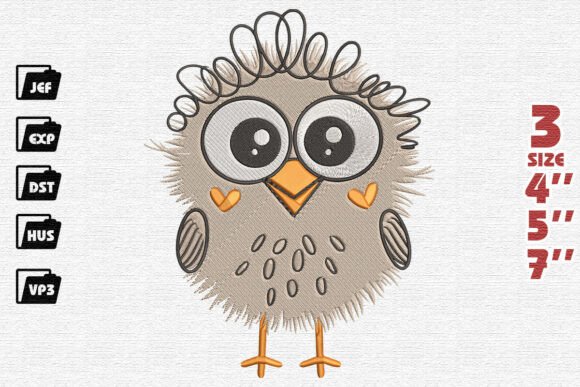
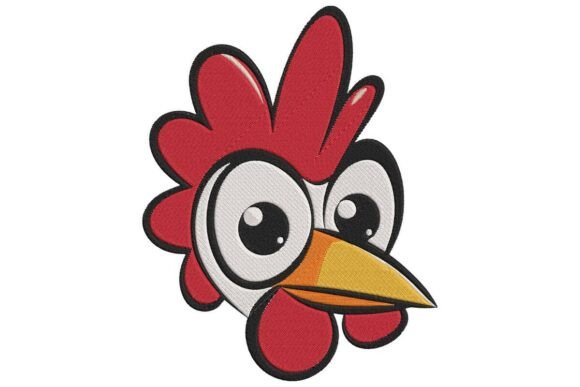
As an embroidery designer who’s prepped over 200 craft fair booths—and watched thousands of shoppers slow down for one design while breezing past dozens—I can tell you: Zany Rooster Head Embroidery Design lands like a splash of glitter in a sea of muted neutrals. It’s not cute. It’s not rustic. It’s not elegant or minimal. It’s funny, bold, and energetic—a cartoon rooster head with oversized, mismatched eyes that scream personality before the customer even reads the price tag. That kind of visual punch is gold at handmade markets, where attention spans are measured in seconds and emotional connection drives impulse buys.
Where It Shines: Craft Fair Product Placement That Converts
This isn’t a background filler—it’s a conversation starter. On a tote bag design, placed front-and-center above the handle seam, it becomes a walking billboard. On an apron embroidery, centered just below the pocket, it adds levity to kitchen prep without sacrificing function. For tea towel embroidery, I recommend positioning it large (4–5 inches wide) on the lower third—its expressive eyes draw the eye right where hands reach, making it both functional and delightful.
It works brilliantly as an embroidered patch (3–3.5 inches), especially when backed with iron-on adhesive for easy customization. On caps, keep it small (2.25 inches max) and place it cleanly on the front panel—avoid the curve near the bill unless you’ve tested stitch hold on curved surfaces. For pillow covers and small pouches, it scales well as a focal point, but avoid cramming it into corners or along seams where distortion risks clarity.
Photography & Online Appeal: Why Etsy Sellers Will Love This
Zany Rooster Head Embroidery Design photographs exceptionally well—even on mobile. Its high-contrast features (those wild eyes, exaggerated beak, and dynamic line work) translate clearly in natural light, reducing the need for heavy editing. Pair it with clean backgrounds (white linen, light wood, or soft kraft paper) and you’ve got ready-made printable mockups for your Etsy listings. Bonus: because it reads strongly at multiple sizes, one digital embroidery file can support several product variations—no need to buy separate small/large versions. That flexibility saves time and boosts your small shop product margins.
What Makes It Repeatable for Batch Production
- Clear silhouette: No fine gradients or blended fills—just confident outlines and solid color blocks.
- Limited thread colors: A tight palette (think 3–5 colors max) keeps thread changes minimal and reduces downtime between pieces.
- Strong negative space: The open areas around the rooster’s head let fabric breathe—critical for avoiding stiffness on tea towels and aprons.
- No tiny lettering or micro-details: Unlike script-based designs, this one avoids fragile elements that fray or vanish at smaller sizes.
Careful-Use Notes: Protect Your Stitch Quality
Even fun designs demand respect for technical limits. Here’s what to watch:
- Dense stitch areas: Those big eyes may carry higher stitch density—test on your target fabric first. Too much fill on terry cloth towels can cause puckering; consider reducing density by 5–10% if needed.
- Fabric texture matters: Avoid using Zany Rooster Head Embroidery Design on heavily napped or looped fabrics (like thick terry or bouclé) without extra stabilizer. The eyes must stay crisp—not fuzzy.
- Dark fabric contrast: On black or navy, confirm your thread colors pop. Bright yellow beak + white eye highlights? Yes. Pale peach beak on charcoal? Not ideal. Always test thread colors on scrap.
- Small-scale legibility: Below 2 inches wide, the eye asymmetry may blur. If you’re offering mini patches or keychain versions, verify readability in person—not just on screen.
Booth Impact & Buyer Engagement: More Than Just Cute
In a crowded craft fair aisle, Zany Rooster Head Embroidery Design does three things at once: stops scrolling, invites smiling, and sparks stories. Customers point. Kids giggle. Grandparents say, “That reminds me of my uncle’s rooster!” That emotional resonance lifts perceived value—making a $28 embroidered tote feel like a collectible, not just a bag. It also strengthens brand consistency across your lineup: use it on tea towels, patches, and pouches in the same color scheme, and shoppers begin recognizing your booth from ten feet away.
For handmade product sellers, this design signals confidence and playfulness—traits buyers associate with skilled, joyful makers. It doesn’t whisper “artisan.” It shouts it—with charm.
Pro Designer Checklist Before You Cut Fabric
- Test the machine embroidery design on scrap fabric matching your final product (e.g., canvas for totes, terry for towels).
- Check thread contrast under daylight and store lighting—what looks bold on screen may mute in person.
- Review spacing between elements—especially around the eyes and beak—to prevent thread nesting.
- Confirm hoop size compatibility with your machine and intended product (e.g., cap frames vs. standard hoops).
- Inspect stitch density in high-fill zones—adjust if needed for fabric drape and durability.
- Use appropriate stabilizer: cutaway for stretchy knits, tear-away for stable wovens, and fusible + tear-away combo for textured towels.
- Create at least one real mockup—not just digital. See how it moves, wears, and catches light.
- Compare fabric colors side-by-side: does the rooster read as zany or muddy?
- Verify commercial licensing status before selling finished products—this is non-negotiable for commercial embroidery and digital embroidery file resellers.
Final Thought: A Standout in the Birds Category—Without Playing It Safe
Most Birds-themed embroidery leans pastoral, serene, or vintage. Zany Rooster Head Embroidery Design refuses that script—and that’s exactly why it sells. It fits seamlessly into modern Embroidery collections while standing apart from safe, predictable motifs. Whether you're an Etsy seller, a boutique maker, or a weekend craft fair veteran, this design earns its spot on your table—not because it’s easy, but because it’s unforgettable. And in handmade markets, unforgettable is the only metric that matters.