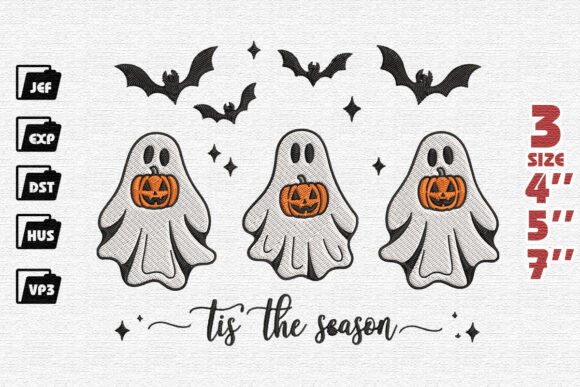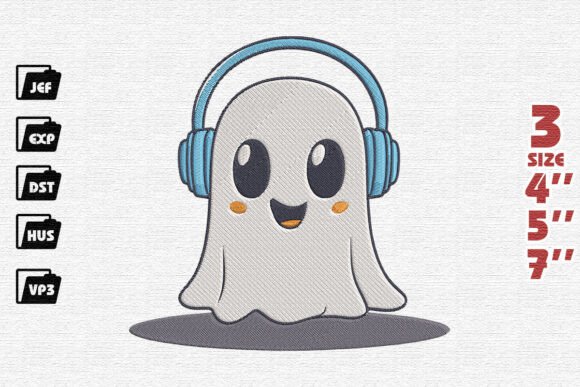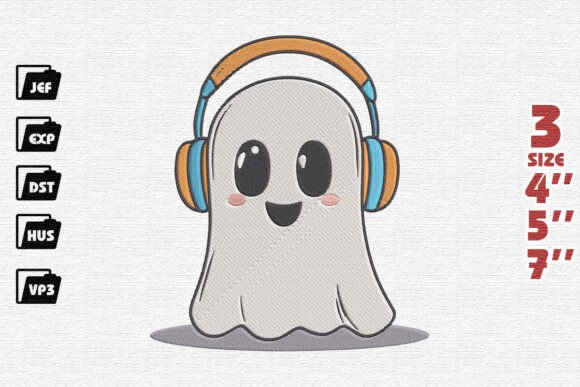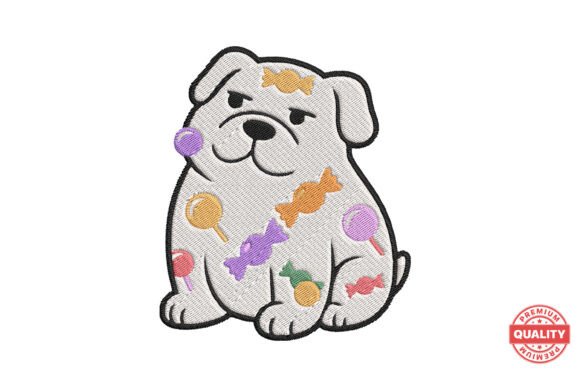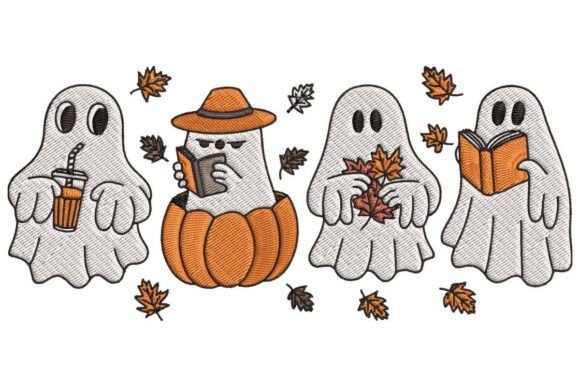
Autumn Ghosts Embroidery Design
A Spooky-Cute Brand Asset That Works Hard for Small Businesses
As an embroidery designer who’s developed hundreds of machine embroidery designs for small business merch, I approached the Autumn Ghosts Embroidery Design with a very specific question: “Does this translate into real-world brand value—not just seasonal charm?” The answer is a confident yes—if used intentionally. This isn’t just another Halloween-themed decoration. It’s a cohesive, scalable design asset built for storytelling, consistency, and customer connection.
First Impression: Friendly, Seasonal, and Professionally Approachable
The title and description immediately signal warmth and intention: “a charming and cozy embroidery design that captures the essence of autumn with a spooky-cute twist.” That duality is key. It avoids being overly childish or commercially generic—no cartoonish fangs or cheap jump-scares here. Instead, it feels handmade but polished, nostalgic but fresh. For a local café, florist, or pet brand launching fall specials, the Autumn Ghosts Embroidery Design reads as thoughtful, not trendy. It signals care in curation—not just calendar-based marketing.
Where It Shines in Real Business Use
This design excels where small businesses need versatility and emotional resonance:
- Embroidered patches: Perfect for sew-on or iron-on application on tote bags, denim jackets, or boutique packaging. Its balanced composition holds up well at 2.5"–3.5" sizes—ideal for branded giveaways or loyalty program rewards.
- Staff uniforms & aprons: As a chest accent or sleeve detail, it adds personality without overwhelming professionalism. A bakery or craft studio can use it to soften service wear while reinforcing seasonal identity.
- Cap embroidery: On structured front panels (especially low-profile twill or cotton), the quartet of ghosts reads clearly at 2.25" wide—provided spacing between figures is preserved during digitizing.
- Tote bag design: Centered on natural canvas or heavyweight cotton, it becomes an instant conversation starter—ideal for farmers’ markets, indie bookshops, or floral studios offering gift-ready carryalls.
- Product packaging accents: Stitched onto kraft paper tags, linen pouches, or reusable gift wraps, it elevates handmade product presentation without competing with typography or branding.
Where Caution Is Required
Like any strong design, the Autumn Ghosts Embroidery Design has boundaries—and respecting them ensures your finished product reflects quality, not compromise:
- Avoid ultra-small patch sizes (<2"). Fine details—like ghost expressions or subtle activity props—may blur or vanish. Always test stitch-out at your target size before bulk production.
- Caps with high curvature (e.g., unstructured mesh or deep front crowns) require careful placement and stabilizer selection. The design’s horizontal spread benefits from flat or gently contoured surfaces.
- Dark or textured fabrics (like heavy corduroy or heathered fleece) demand higher thread contrast. Review how light-colored threads perform over charcoal or navy before finalizing thread colors.
- Frequent-wash items (e.g., staff aprons or reusable totes) benefit from moderate stitch density. Overly dense fills may stiffen fabric or encourage fraying over time—confirm the digital embroidery file balances coverage with flexibility.
How It Strengthens Brand Identity and Customer Trust
Small business buyers don’t just purchase merchandise—they invest in alignment. The Autumn Ghosts Embroidery Design supports that alignment by doing three things well:
- It reinforces visual consistency across touchpoints—whether stitched on a barista’s cap, printed on a seasonal menu insert (via printable mockup), or embroidered on a limited-edition candle sleeve.
- It communicates values: approachability, seasonality, craftsmanship. Customers associate that feeling with your brand—not just the holiday. That builds recognition beyond October.
- It increases perceived product value. A thoughtfully embroidered tote or apron signals investment in experience—not just utility. That translates directly to higher engagement, repeat visits, and social sharing.
Practical Embroidery Designer Notes for Commercial Use
Before committing to production, run these checks—especially if you’re sourcing the digital embroidery file for custom apparel or client projects:
- Test the design in black and white first—this reveals balance, legibility, and potential stitching issues faster than color.
- Verify how it renders at your smallest intended patch size. Does spacing hold? Do ghost outlines remain distinct?
- Review thread color contrast against your base fabric. Light threads on dark backgrounds often need underlay or denser satin stitches for opacity.
- Inspect spacing between ghost figures and activity elements. Tight gaps risk thread nesting or inconsistent fill coverage.
- Confirm hoop size compatibility—especially if using multi-position hoops for larger runs. Some versions may require re-hooping; others are optimized for continuous flow.
- Test on your actual fabric + stabilizer combo. A design that looks crisp on felt may shift on lightweight linen without proper cutaway or tear-away support.
- Create a physical or digital mockup for client approval—don’t rely on vector previews alone. Real texture changes everything.
- Compare it beside your existing design assets. Does it complement your logo, typography, and seasonal palette—or compete with it?
- Confirm commercial licensing status. If you’re using the Autumn Ghosts Embroidery Design for resale (e.g., on Etsy, at craft fairs, or as part of a subscription box), ensure your license covers commercial embroidery and finished product distribution.
Final Thought: More Than a Halloween Design—It’s a Storytelling Tool
The Autumn Ghosts Embroidery Design succeeds because it’s designed for meaning—not just motif. When your customers see those friendly ghosts sipping cider, raking leaves, holding pumpkins, or floating beside mums, they don’t just register “fall” or “Halloween.” They register your voice. That’s what turns small business merch into memorable brand moments—and why this embroidery file belongs in the toolkit of every serious apparel decorator, boutique owner, and handmade product designer building intentional, seasonally grounded identity.